




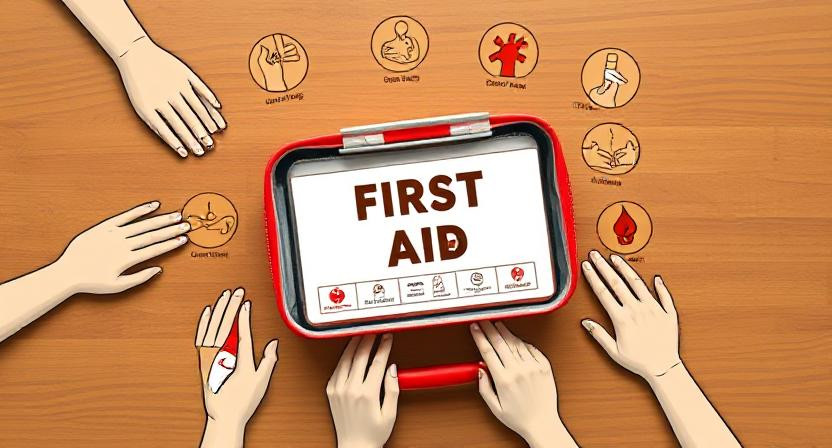
It happens faster than most people expect. A child chokes during dinner. A colleague collapses without warning. A minor injury suddenly turns serious. In these moments, the difference between panic and action often comes down to preparation—and increasingly, people are choosing to prepare through an online first aid course that fits into their everyday lives.
What’s changed isn’t the importance of first aid—it has always been critical. What’s changed is accessibility. For years, learning these skills required scheduling time off, traveling to training centers, and committing to rigid class formats. Today, the learning experience has evolved, meeting people where they are—on their devices, on their schedules, and within their real-world constraints.
Consider the modern professional: balancing deadlines, responsibilities, and personal commitments. Or a parent managing a household while ensuring their child’s safety. For them, the idea of dedicating an entire day to in-person training can feel unrealistic. Online first aid education removes that friction, making life-saving knowledge something you can build gradually, without disruption.
But convenience alone doesn’t explain the shift. The real value lies in how people learn. Online courses are designed for retention, not just completion. Instead of passively sitting through a lecture, learners engage with real-life scenarios, visual demonstrations, and interactive checkpoints. This creates a mental framework—so when a real emergency happens, the response feels familiar rather than overwhelming.
There’s also a psychological advantage that often goes unnoticed. Learning in a comfortable environment allows individuals to absorb information without pressure. They can pause, revisit, and reflect—something rarely possible in traditional classroom settings. This leads to deeper understanding and, more importantly, greater confidence.
Confidence is what truly transforms a bystander into a responder.
Across industries, this shift is becoming increasingly visible. Fitness professionals are recognizing the importance of being prepared during high-intensity sessions. Teachers and childcare providers are expected to respond instantly to student emergencies. Even workplaces outside healthcare are prioritizing first aid awareness as part of their safety culture.
Yet, beyond professional requirements, there’s a broader cultural change happening. People are beginning to see first aid not as a certification, but as a responsibility. A shared skill set that strengthens communities. When more individuals are trained, the collective response to emergencies improves—creating safer environments for everyone.
Of course, not all online training experiences are equal. The effectiveness of a course depends on its credibility, structure, and relevance. Programs that align with current medical guidelines, offer clear instruction, and focus on practical application stand out. Learners aren’t just looking for a certificate—they’re looking for competence.
Another important factor is adaptability. Emergencies don’t follow scripts, and neither should training. Courses that expose learners to varied scenarios—different environments, age groups, and conditions—help build flexible thinking. This adaptability is what allows someone to stay calm and act decisively when the unexpected happens.
There’s also an economic perspective to consider. Traditional training often involves higher costs, not just in terms of fees, but also time and logistics. Online learning reduces these barriers, making first aid education more inclusive. This accessibility ensures that more people, regardless of background or schedule, can gain essential skills.
And perhaps that’s the most significant transformation of all—democratizing knowledge that saves lives.
The decision to learn first aid is rarely driven by urgency. Most people don’t think about it until they need it. But by then, it’s too late to prepare. The real shift happens when individuals move from reactive thinking to proactive readiness.
Because emergencies don’t come with warnings—but preparation can.
Choosing the right training provider is the final step in that journey. A platform that combines credibility with ease of use ensures that learners not only complete their training but retain it. For those ready to take that step, Simple CPR offers accessible, professionally designed courses that make it easier than ever to gain life-saving skills with confidence.