


Traditional rugs remain timeless in interior design because they combine highly durable natural materials, such as wool and silk, with intricate, handwoven craftsmanship. They ground modern spaces, add warmth, and hold cultural value that machine-made alternatives simply cannot replicate.
Interior design trends change rapidly. One year, stark minimalism dominates living rooms, and the next, heavily layered maximalism takes over. Yet, traditional rugs maintain their position as a fundamental element of interior styling. These handwoven pieces anchor rooms and provide a foundation that works with almost any furniture style.
People value traditional carpets because they represent genuine artistry. Machine-made floor coverings often wear out after a few years. Hand-knotted pieces stand up to heavy foot traffic and often look better as they age. They bring warmth, character, and texture into a space.
If you want to create a room that outlasts fleeting trends, starting with a classic rug makes the process much simpler. This guide explains exactly why these heritage pieces continue to thrive in modern homes and how you can select the right one for your space.
What history and craftsmanship define traditional rug-making?
The art of rug weaving dates back centuries. Artisans pass down specific knotting techniques from one generation to the next. Bhadohi, a town in Uttar Pradesh, India, serves as South Asia’s largest hub for hand-knotted carpets. Weavers in this region use skills perfected over hundreds of years to create intricate floral, geometric, and medallion patterns.
True craftsmanship requires time. A single handmade rug can take months to complete. Weavers tie thousands of individual knots to form the dense pile that characterizes a high-quality piece. This meticulous process ensures that the design remains sharp and the structure remains solid for decades. By maintaining these ancient techniques, modern ateliers keep a vital piece of cultural heritage alive.
Why do traditional handmade rugs last so long?
Traditional handmade rugs last for generations because artisans construct them from premium natural fibers. Wool and silk are the most common materials used in high-quality handwoven carpets. Wool naturally resists stains and repels moisture due to its lanolin content. Silk adds a subtle sheen and allows for incredibly detailed patterns.
The hand-knotting process itself contributes heavily to the rug’s lifespan. Unlike machine-tufted carpets held together by synthetic adhesives, hand-knotted rugs feature a structural integrity woven directly into the foundation. The tight knots prevent the fibers from pulling loose. When you invest in a handmade piece, you buy a product built to withstand decades of daily use. Choose a handwoven wool rug if durability in high-traffic areas matters more to you than the delicate sheen of pure silk.
How can you integrate traditional rugs into modern interior spaces?
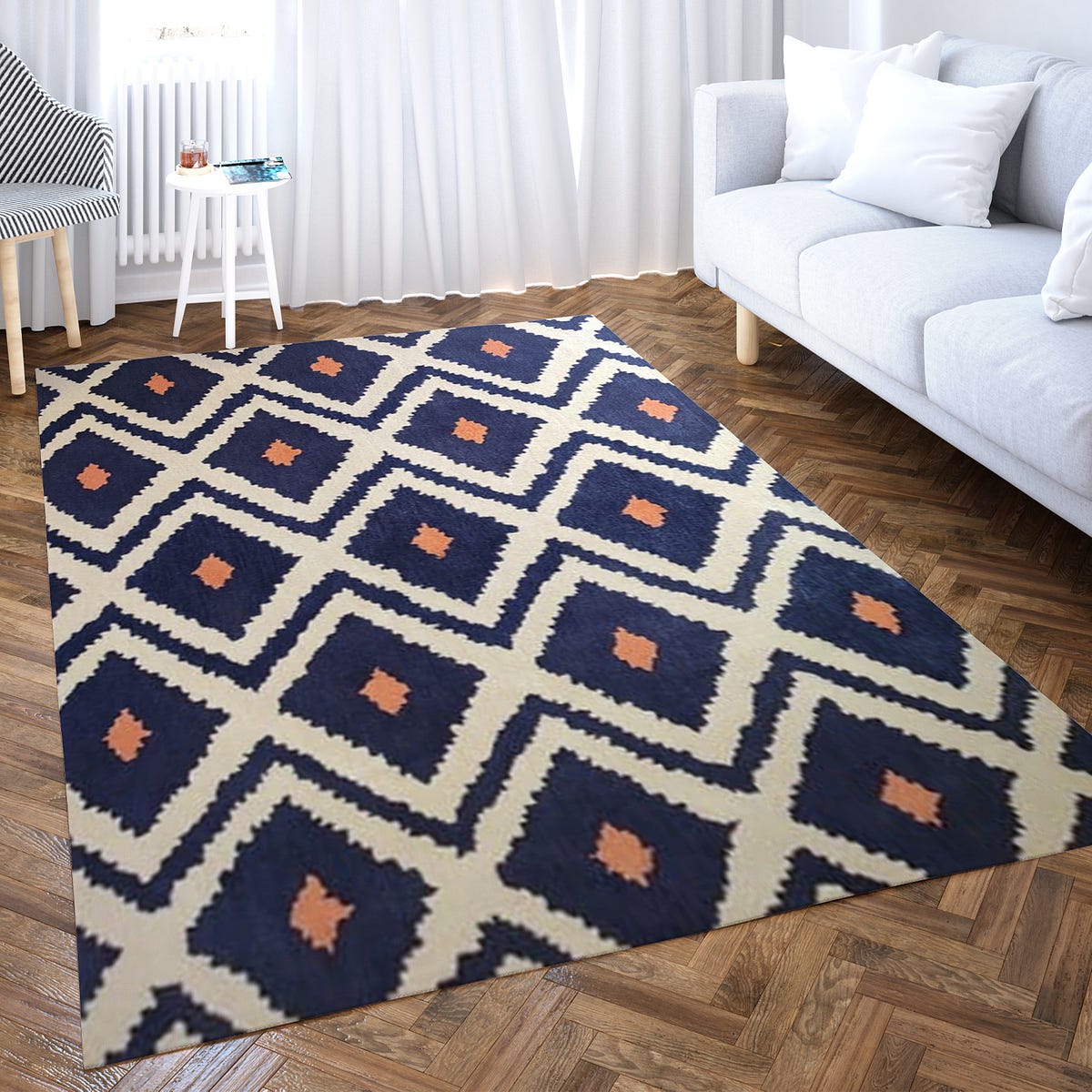
You do not need a traditional home to use a traditional rug. In fact, placing an ornate, antique-style carpet in a highly modern room creates a striking visual balance.
To integrate these pieces successfully, let the rug dictate the room’s color palette. Pick one or two subtle accent colors from the carpet’s pattern and use them for your throw pillows, artwork, or window treatments. Keep the surrounding furniture relatively clean and streamlined. A sleek leather sofa or a glass coffee table allows the intricate patterns of the rug to stand out.
Layering also works well in contemporary spaces. You can place a vibrant traditional rug over a larger, neutral jute or sisal base. This technique adds texture and defines specific seating areas in large, open-concept floor plans.
What emotional and cultural value do traditional rugs add?
A handmade rug carries the story of its makers. When you place one in your home, you bring in a piece of authentic human effort. The slight variations in color and pattern—known as abrash—highlight the fact that hands, not machines, crafted the piece.
These items also support communities. For example, the Indian rug atelier The Ambiente works with over 4,000 women weavers from various walks of life. Purchasing a handwoven carpet directly impacts these artisans by providing sustainable livelihoods and empowering rural communities. A handmade rug adds character to your living room while preserving the dignity of traditional labor.
How does The Ambiente connect Indian tradition with modern homes?
The Ambiente bridges the gap between ancient craftsmanship and contemporary design. Founded by Avani Khandelwal and Ayush Baranwal, the brand operates with the backing of Bhadohi Carpets, a parent company with 30 years of manufacturing expertise. The founders established the brand to make luxury handwoven floor coverings accessible to a wider audience.
Based in Delhi with deep roots in Bhadohi, The Ambiente designs rugs that cater to the diverse needs of modern Indian homes. If you want to Buy Traditional Rugs in India, the brand offers both bespoke and ready-to-ship collections. Their design team collaborates closely with local artisans to ensure the patterns feel fresh while respecting the historical techniques. For homeowners looking to Buy Traditional Rugs, The Ambiente provides an ecosystem where fair pricing meets outstanding quality.
What are the best tips for choosing the right traditional rug?
Selecting the perfect rug requires a bit of planning. Follow these guidelines to ensure you make the right choice for your space:
- Measure your space accurately: A rug that is too small makes a room feel disjointed. Ensure the front legs of your main furniture pieces sit comfortably on the carpet.
- Determine the room’s traffic: High-traffic areas like hallways and living rooms require durable materials like wool. Save delicate silk pieces for bedrooms or formal sitting rooms.
- Consider the pile height: Low-pile rugs are easier to clean and work well under dining tables. Plush, high-pile rugs offer more comfort underfoot for cozy family rooms.
- Check the source: When you decide to Buy Rugs Online, look for brands that offer transparency about their manufacturing process and artisan networks. Look for detailed photographs of the knots on the back of the rug to verify authenticity.
Final thoughts on the lasting impact of traditional rugs in design
Traditional rugs hold their value and appeal because they rely on proven materials and dedicated human craftsmanship. They bring history, warmth, and structural integrity into our homes. By supporting ethical ateliers like The Ambiente, you secure a beautiful design element for your living space while sustaining the artisans who dedicate their lives to this timeless craft.
Frequently Asked Questions
What is the difference between hand-knotted and machine-made rugs?
Hand-knotted rugs are woven entirely by hand on a specialized loom, a process that can take months and results in a highly durable product. Machine-made rugs are produced quickly using synthetic materials and adhesives, meaning they typically wear out much faster than their handmade counterparts.
Are traditional wool rugs hard to clean?
No. Wool is naturally stain-resistant and durable. Regular vacuuming and immediate spot-cleaning with mild soap and water usually keep a wool rug looking pristine. For deep cleaning, professional washing is recommended every few years.
How do I know if a traditional rug is good quality?
Turn the rug over and look at the back. High-quality hand-knotted rugs will show the exact pattern on the reverse side, and you will be able to see the individual knots. A high knot density generally indicates better quality and a clearer pattern.
Can I put a traditional rug in a minimalist room?
Yes. A traditional rug serves as a strong focal point in a minimalist room. The intricate patterns add necessary warmth and texture, preventing a sparsely furnished room from feeling cold or uninviting.